Wildlife of Nassau County
From alligators to right whales — discover the extraordinary creatures that share our home.
🎲 Random Wildlife Generator
Click the button to discover a random species from Nassau County.
Complete Wildlife Directory
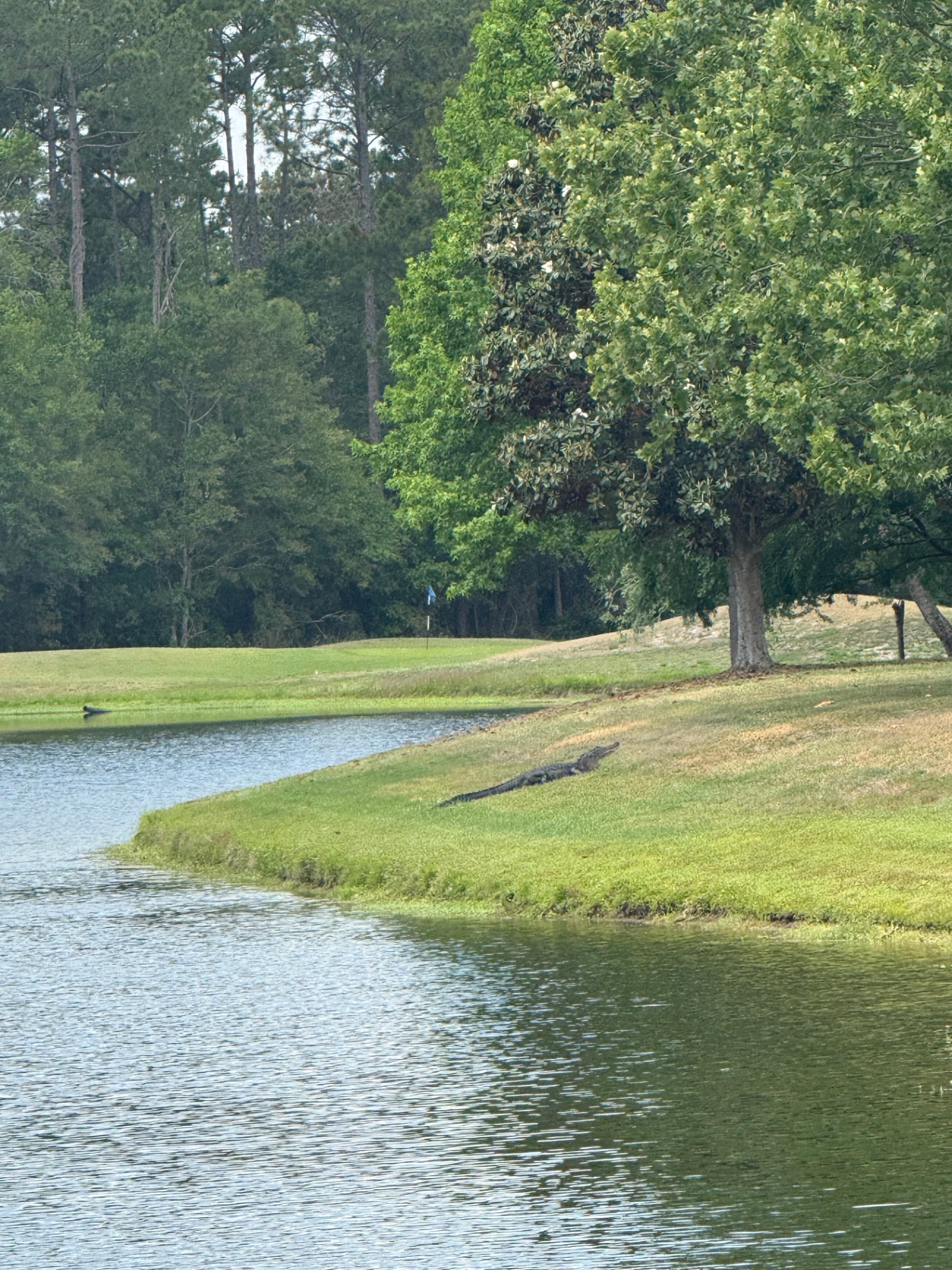
American Alligator
Alligator mississippiensis
Can grow up to 15 feet long and live 35-50 years in the wild. They regulate the ecosystem by creating 'gator holes' that provide water for other wildlife during dry seasons. Nassau County's waterways and retention ponds are home to a thriving population.
Status: Least Concern — successfully recovered from near-extinction
Atlantic Bottlenose Dolphin
Tursiops truncatus
Highly intelligent social mammals that hunt cooperatively. Nassau County's waters host resident pods year-round. They can hold their breath for up to 20 minutes and dive to depths of 150 feet. Dolphins in the Amelia River are known for their 'strand feeding' behavior.
Status: Least Concern — protected under the Marine Mammal Protection Act
Loggerhead Sea Turtle
Caretta caretta
Nassau County's beaches are critical nesting habitat. Female loggerheads return to the same beach where they were born to lay eggs. Each nest contains 100-126 eggs. Hatchlings use moonlight reflected off the ocean to find their way to the sea. Volunteer nest monitoring programs protect hundreds of nests each season.
Status: Vulnerable — federally protected under the Endangered Species Act
West Indian Manatee
Trichechus manatus
Often called 'sea cows,' these gentle giants can weigh up to 3,500 pounds and eat 10-15% of their body weight daily in aquatic vegetation. They move into Nassau County's warmer waters during winter months. Boat strikes remain their biggest threat — always observe manatee zones.
Status: Threatened — federally protected
Bald Eagle
Haliaeetus leucocephalus
Nassau County hosts several active bald eagle nesting pairs. Their nests can be up to 10 feet in diameter and weigh over a ton. Eagles mate for life and return to the same nest year after year, adding new material each season. They can see fish from over a mile away.
Status: Least Concern — remarkable recovery from near-extinction in the lower 48 states
Florida Black Bear
Ursus americanus floridanus
The Florida black bear subspecies is the state's largest land mammal. Adults can weigh 250-400 pounds. They are primarily nocturnal and have a home range of 50-120 square miles. Nassau County sits at the edge of bear habitat, and sightings have increased as development expands.
Status: State-listed as threatened in some management units
Gopher Tortoise
Gopherus polyphemus
Considered a 'keystone species' because their burrows — which can be 40 feet long and 10 feet deep — provide shelter for over 350 other species including indigo snakes, burrowing owls, and mice. State law requires relocation permits before any development on gopher tortoise habitat.
Status: State-listed as Threatened
Roseate Spoonbill
Platalea ajaja
One of the most visually striking birds in North America with brilliant pink plumage. They feed by swinging their spoon-shaped bill side to side in shallow water. Nearly hunted to extinction for their feathers in the 19th century, they have slowly recovered in Florida.
Status: Least Concern — population recovering
Eastern Diamondback Rattlesnake
Crotalus adamanteus
The largest venomous snake in North America, reaching up to 8 feet. Despite their fearsome reputation, they are shy and reclusive, preferring to avoid humans. They play a vital role in controlling rodent populations. Always watch your step on trails and give them space.
Status: Not federally listed but declining across range
Wood Stork
Mycteria americana
The only stork species that breeds in North America. They locate prey by touch — dipping their open bill in the water and snapping it shut in 25 milliseconds when they feel a fish, one of the fastest reflexes in the animal kingdom. They require specific water levels for successful nesting.
Status: Threatened — federally protected
North Atlantic Right Whale
Eubalaena glacialis
One of the most endangered large whales on Earth with fewer than 350 individuals remaining. The waters off Nassau County and Amelia Island are part of their only known calving ground. Pregnant females travel here from feeding grounds off New England and Canada. Vessel speed restrictions help protect them.
Status: Critically Endangered — fewer than 350 remain
Painted Bunting
Passerina ciris
Called 'the most beautiful bird in North America,' males display brilliant blue, green, and red plumage. Nassau County is within their breeding range. They are increasingly attracted to bird feeders with white millet. Despite their beauty, their populations are declining due to habitat loss.
Status: Near Threatened — population declining